
Designing a book cover may look simple from the outside, but the truth is very different. A book cover carries the power to attract readers, share the tone of your story, and make a strong first impression. Even before someone reads the first line, the cover decides whether the reader will pick up the book or leave it behind. Authors and new publishers often overlook how important this first glance really is. Many people put all their attention into the writing and forget that the book cover plays an equal role in success. And when the time for Book Printing comes, these mistakes start showing clearly.
A strong book cover is more than a pretty image. It is a combination of design, branding, clarity, color psychology, typography, and audience understanding. When authors rush through the design process or underestimate it, the cover ends up confusing, unattractive, or unprofessional. These mistakes affect sales, visibility, and overall reader trust. This blog will help you understand the most common mistakes authors make while designing their book covers and how you can avoid them. The goal is to help you create a cover that looks polished, marketable, and effective in today’s competitive publishing world.
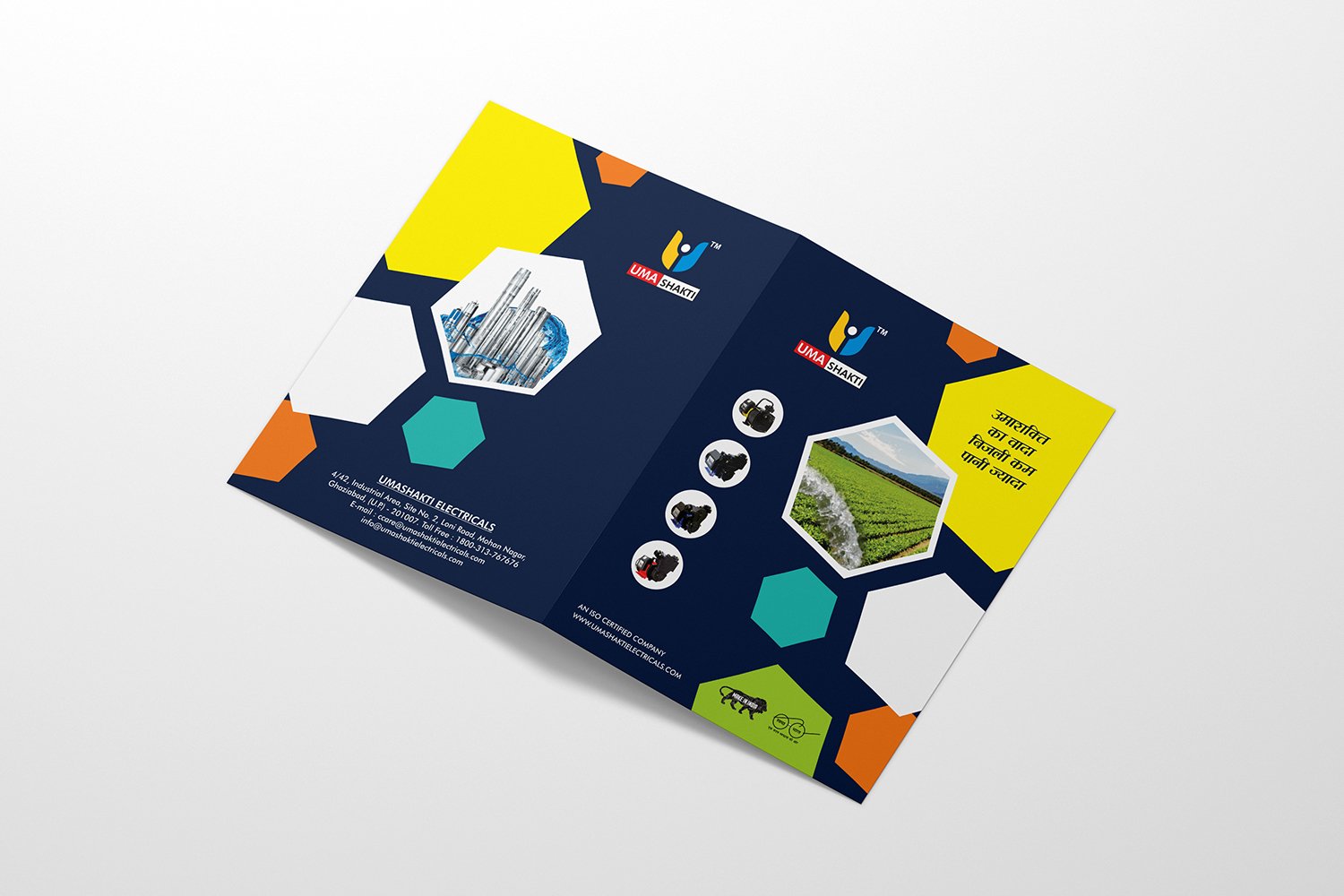
Why Your Book Cover Matters More Than You Think
The book cover represents your content in the marketplace. It presents the essence of your story or information in seconds. Readers usually judge a book by its cover, even if we often say otherwise. In bookstores or online platforms, thousands of books compete for the same attention. A sharp, meaningful, and well-designed cover pushes your book forward.
A book cover also acts as a marketing tool. It communicates the genre, mood, tone, and promise of your writing. Whether you’re preparing for digital publishing, traditional stores, or Book Printing, a professionally designed cover increases trust and encourages readers to explore the book further.
Ignoring design quality is one of the biggest mistakes authors make. But once you understand what works and what doesn’t, the process becomes easier. You begin to see your book not just as a story but as a complete product that will stand among thousands of others. That shift helps you approach the design process in a thoughtful and strategic way.
Common Mistakes Authors Make When Designing Their Book Cover
Below are the biggest mistakes authors often make while creating their book covers. Each explanation is written in a simple, friendly style to help you understand exactly what to avoid and how to produce an impressive professional cover.
Using Low-Quality or Pixelated Images
Many authors start with images found online or saved from social media, thinking they look good enough. But when used on a book cover, these pictures blur, stretch, or pixelate. Low-quality images immediately make the book appear unprofessional. Readers notice this, and it reduces their trust even before they read the title.
High-resolution images are key for any book cover. If you plan for Book Printing, low-quality images become even more obvious because printed material requires much higher resolution compared to digital screens. Always use high-quality, professionally shot or purchased images. They make the cover look sharp, clean, and premium.
Overcrowding the Cover With Too Many Elements
Some authors try to place everything on the cover—characters, scenes, quotes, additional graphics, and decorative elements. While creativity is great, overcrowding confuses the eye. Readers cannot understand the message at first glance, and the cover loses impact.
A strong book cover uses simplicity in a powerful way. It focuses on one main image or a core idea. Minimalism helps the reader understand the genre and theme instantly. Instead of trying to include everything, choose one strong visual that represents the heart of your book. This single choice makes your cover more memorable and appealing.
Choosing Fonts That Are Hard to Read
Typography plays a huge role in book cover design. Many authors mistake decorative fonts for artistic choices, but flashy fonts often reduce readability. If someone cannot read the title within two seconds, the cover fails its purpose. Clarity is more important than overly stylish designs.
Fonts carry emotions. Clean fonts work great for modern and professional books. Elegant fonts suit romance, historical, and literary works. Bold fonts support thrillers and action-heavy themes. When you match the right typography with your book’s genre, the cover communicates the correct tone. Poor font selection harms both readability and market appeal.
In Book Printing, the wrong font becomes even more noticeable because print amplifies clarity issues. Always choose balanced, clean, and professional typefaces that complement your cover design.
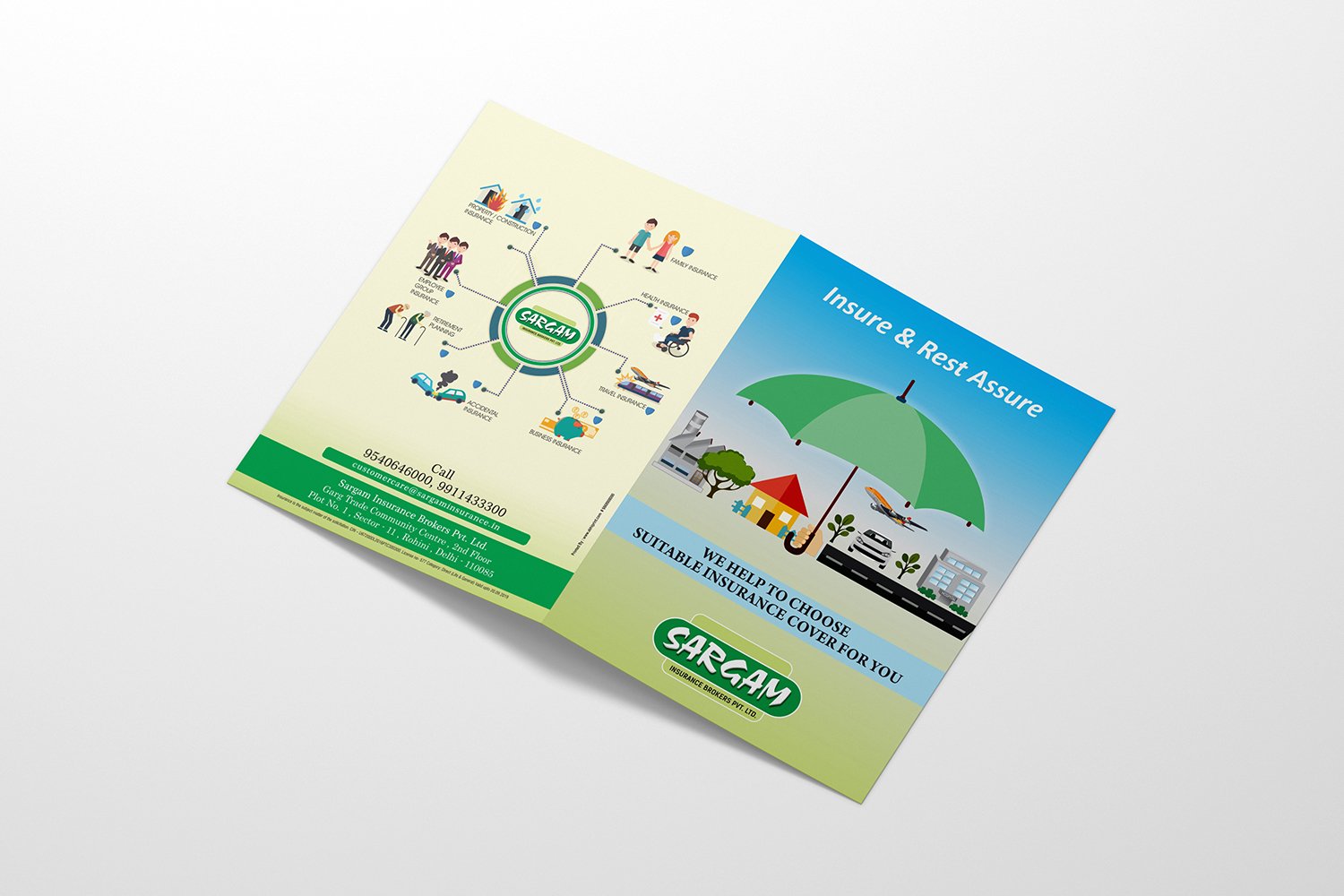
Poor Color Choices That Don’t Match the Genre
Colors speak before words do. Every genre has popular color patterns because they help readers identify what kind of book they’re looking at. Using random colors creates confusion and pushes readers away from your target niche.
For example:
- Dark shades work well for crime, mystery, thrillers, and suspense.
- Pastels look great for romance, poetry, and light fiction.
- Bold and vibrant shades suit adventure and fantasy.
- Classic tones like black, white, or beige fit business, self-help, and spirituality.
Choosing colors without understanding their psychology is one of the biggest mistakes in cover design. The colors should not only look good but also match your story. When colors align with the mood, the design becomes powerful and attractive.
Ignoring Market Research Before Designing
Many authors create book covers based solely on what they personally like. Personal taste is important, but readers follow trends and visual cues. When your cover does not match your genre’s market, it becomes harder for readers to relate.
Bestselling book covers in your genre provide clues about what works. Study the top-selling books on platforms like Amazon or in bookstores. Notice their colors, fonts, layouts, and imagery. When you follow these patterns while keeping originality, you design a cover that connects with readers instantly.
Market research helps you create a professional cover that stands beside other successful books and still feels unique.
Designing Without Considering Print Size and Format
Every book cover must fit specific dimensions based on the printing size. A cover that looks good on a screen may not work for Book Printing if it does not match the correct layout. Authors often forget about bleed margins, spine width, and safe areas. These mistakes cause important elements like titles or author names to get cut during printing.
Understanding your trim size, spine measurements, and bleed margins ensures the cover prints exactly as intended. Professional designers plan for this, but if you’re designing your own cover, make sure the template aligns perfectly with your printing specifications. This small step prevents frustration later.
Ignoring the Back Cover and Spine
Many beginners focus only on the front cover and ignore the importance of the spine and back cover. In physical bookstores, the spine often gets more visibility than the front cover. If it’s unclear or poorly designed, readers may not notice your book at all.
The back cover also plays a huge role. It holds your blurb, author photo, pricing, barcode, and essential details. A cluttered back cover reduces readability. A clean and balanced layout builds trust and encourages readers to buy your book.
In professional Book Printing, the spine and back cover matter just as much as the front. Treat all three with equal care.
Using Too Many Colors or Mismatched Tones
Color harmony is essential in design. Mixing too many shades or using colors that clash creates a chaotic look. A poor color palette makes the cover look amateur and distracts from the core message.
Choosing a limited color palette—usually three to five colors—helps create consistency. Shades should complement each other rather than fight for attention. When colors work well together, the entire cover looks sharper, cleaner, and more attractive.
Forgetting About the Target Audience
Your cover should speak to the readers you want to attract. Many authors design covers they personally like, but forget what their audience actually expects. A children’s book needs bright colors and friendly illustrations. A business book needs bold fonts and minimal design. A horror book needs dark tones and suspenseful imagery.
Understanding your audience helps you design a cover that triggers the right emotional response. When readers feel connected to the cover, they are more likely to buy the book.
Not Using Professional Design Tools or Resources
Book cover design requires certain tools, templates, and professional resources. Using basic tools or low-quality free templates weakens the final result. Even if you are designing the cover yourself, using proper software like Adobe Photoshop, InDesign, Canva Pro, or Affinity Designer helps you achieve a clean and polished look.
Professional tools provide correct resolution, precise alignment, and sharper visuals. They also allow you to work with layers, adjust color accuracy, and manage fonts better. This attention to detail becomes highly visible during Book Printing, where quality plays a huge role.
Ignoring the Importance of Branding
Your book cover should reflect your identity as an author. If you plan to write multiple books, maintaining similar elements helps your readers recognize your work instantly. Consistent typography, color tones, or layout styles build a strong personal brand.
Authors who ignore branding often end up with book covers that look disconnected from their identity. Branding also helps build trust, especially if you publish a series. Readers appreciate visual continuity, and it makes your books look more professional on shelves and online stores.
Using Misleading Images or Themes
The image on your cover must match the story or purpose of your book. A romance book with a dark, gloomy cover confuses readers. A motivational book with weak or dull imagery fails to inspire.
Misleading covers hurt your book’s reputation. Readers feel cheated if the cover does not align with the content. Always select imagery that accurately communicates the core message of your writing.
How to Design a Book Cover That Attracts Readers
Now that you understand the mistakes, here are simple tips to guide you toward a stronger book cover design:
- Focus on one central image.
- Use clean, readable fonts.
- Choose colors that match the mood and genre.
- Keep your layout balanced and uncluttered.
- Use high-quality, print-ready images.
- Understand final print size and spine requirements.
- Study bestselling covers in your genre.
- Make sure the cover matches your target audience.
When you avoid the mistakes mentioned above, your cover automatically becomes more appealing, professional, and market-ready.
Conclusion
Designing a book cover is an art and a strategy. It requires creativity, clarity, and planning. Many authors make cover mistakes because they underestimate its importance, but once you understand the purpose of a strong cover, you start treating your book like a complete product, not just a manuscript.
A powerful cover attracts attention, communicates the genre, and builds curiosity. Whether you publish digitally or prepare for Book Printing, your cover should reflect professionalism and quality. When you avoid the common mistakes discussed in this blog, your book gets a much better chance of standing out in a competitive market.